
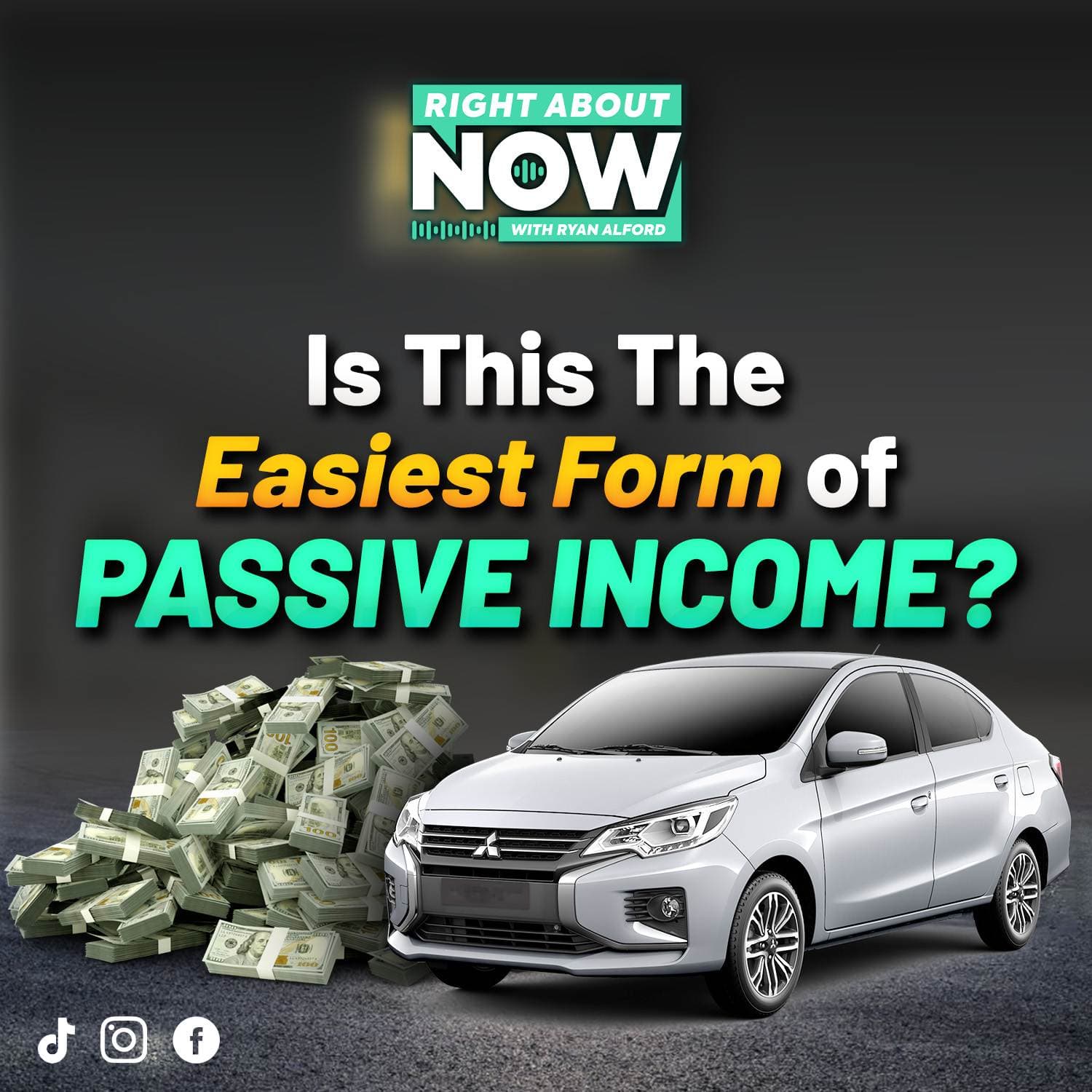
From Side Hustle to $10K/Month: Inside the Rental Car Business with George Madden and Car Rental Coach
George Madden of Car Rental Coach breaks down the real math of a small rental fleet: economy cars, insurance, depreciation and $400-$500 net per car
- Target economy cars that cost under $12,000 all-in to get road-ready; they rent for the same daily rate as $25,000-$30,000 vehicles, so ROI is far better.
- Start with one to five cars, not hundreds. Put one car on the road, learn the system, and scale from there rather than buying a lot of fixer-uppers that sit idle.
- Buy secondary brands like Hyundai Elantra, Mitsubishi Mirage and Kia Soul over Honda, Toyota, Ford and Chevy, which carry too much purchase value for the same rental rate.
- Use commercial off-trip rental insurance, not personal insurance. If your personal carrier finds out, they may keep collecting premiums and then deny the claim for breach of contract.
- Budget roughly $100-$110 per car per month for full coverage commercial insurance, or about $60-$70 for liability only.
- Expect about $1,000 a month in revenue per economy car, not the $3,000 claimed online; after co-host fees, insurance and maintenance, net is roughly $400-$500 per month plus the tax write-off.
- Hold the car in an LLC and keep it separate from personal use; George does not recommend flipping your personal car back and forth onto Turo.
- Cut recurring costs by buying used tires with 80% life at half price and opening negotiated commercial accounts with chains like Monro, where reps can often approve around 20% off.
because these 10 to $12,000 cars are renting for the same amount of money as a $25 or $30,000 car
when they're stolen, because it's not if they're stolen, it's when they're stolen
Get one car, put it on the road, learn the system, see if you like it, and then start to scale from there.
We do a market analysis in every single area because it can change, but if we're looking at just the United States in general, what I've seen become the most profitable and how I've built my business, we're talking economy cars here that are older, higher miles, and we're trying to find them for about under $12,000 with everything set and done to have the car ready to go because these 10 to $12,000 cars are renting for the same amount of money as a $25 or $30,000 car. This is right about now with Ryan Alford, a Radcast Network production.
We are the number one business show on the planet with over 1 million downloads a month, taking the BS out of business for over six years and over 400 episodes. You ready to start snapping necks and caching checks? Well, it starts right about now. Hello and welcome. It's 2026. It is right about now. This is Ryan Alford, your host. Hope everyone's doing good. We're getting into the year. We do some of our best of series, but hey, it's all about legendary people doing legendary things and legendary business advice. We cover things that you've heard of and legendary people doing something that you probably know what it is and you're like, damn, how did they do that? And then there's stuff that you're like, I've heard of that.
Seems like an interesting side thing. What the hell? We're talking to car rental coach. He is George Madden. What's up, George? Hey, how's it going? Great to be here. Hey, man, I'm curious. This is an interesting thing if you've seen the app Toro, which I have. I always thought that was brilliant idea. It was right when they first started. I was like, someone should have done this where you've got your car. You're not using it. You're in a big city or you got an extra car. Hey, rent your car. Do all that. It made a ton of sense to me. And then I noticed there was like these people that had multiple cars fleet. If you want, okay, I see what's happening here. And then I got busy with the million other things that I'm doing.
And that's about where I left off with it. I have rendered a couple of toros in big city, but that's why we went to the expert here. George Madden's going to tell us all about it. George, what the hell exactly is a car rental coach? Everybody knows that people beat the hell out of rental cars. Are you going to teach me how not to beat the hell out of one? What are you doing? Car rental coach. I ended up creating this business with my partner about two years ago. This was after I was already renting cars out for about five years. What happened one night? I was scrolling through Facebook and I saw my business partners ad come up saying, Hey, if you have a car and want to put it on our
fleet, we rent them out at the airport. And he was taking on investors and growing his fleet. This was in the evening time I may or may not have had a glass of wine or two. And I saw him and I thought, Oh, wow, there's more competition because at that time, I was the largest in Pittsburgh. And now I finally saw somebody else. I'm like, okay, he can work an ad on Facebook. He might be somebody competition coming in. So I filled out his survey to see as if I were a client. He ends up calling me. We start talking about business. I was transparent. I let him know that I have a fleet. I wasn't spying too much. But I said, Hey, come on down to our car law one day.
And let's just meet and see what you're doing. So we both started talking about our goals with growing the rental car fleets. And we had two completely different clientele. So I didn't feel weird sharing information with him. He was dealing with airport. Yes, I deal with like 90% local people out of co-option. You know, yeah, exactly. I'm always about working together. But then we start talking. I said, do you get messages from people all the time asking you how to start this business? Because at this point, I had family members, friends, and then, you know, random people from high school from 12 years ago that I barely talked to you, saying, how are you renting these cars? Because I was sharing the rental business on social media.
I started helping a few people for free. He was doing the same thing. And at that time, are you familiar with Alex Hermosi? Yeah, I know Alex. I started reading his books and Jim launch, where he had a bunch of gems. Then he decided to turn that into an educational business teaching other people how to do it. We decided to follow a similar suit. And we started car rental coach to help other people start and scale their car rental business while building ours. Because I've always been somebody heavily involved with mentorship. I've been to acquisition.com for their workshops. When I first started to row, I paid a guy in Phoenix, Arizona that I still am in contact with now. And he mentored me. I saw a lot of value in that.
And what we do, we help everybody overcome mistakes. We help them get set up with the proper insurance. We make sure that they're picking the right cars. So we do a full market analysis. We do weekly coaching and group calls with our community. So everybody can learn from each other. We give best insurance practices on how to handle a claim, how not to panic, how to make sure that you're receiving every single dollar you're owed. We set them up with the right tracking system, the right hardwired trackers in these cars. So when they're stolen, because it's not if they're stolen, it's when they're stolen. We're able to get this car back as fast as possible and put it back on the road making money. Because time on the road, being rented in this business is number one.
We have to keep these cars consistently rented to keep the cash flow up. And we help with funding, financing, and anything our clients need, where they're for them. We have two lessons here that George is teaching the audience. Number one, he's created a business, he's learned things. And while he's going through it, he's documenting. So he's created a coaching platform because he's learned some best practices. And why not document what he's doing to create content, this valuable for social and otherwise, but also that can be used to be sold because it's useful information and he has learnings that can be shared. There's a lot of coaches out there that are bullshit that aren't teaching things that are that valuable. Talking to you, life coach number 647, that's it.
You can get anywhere. This is actually teaching a new concept in business. And this is valuable information because it could be a side hustle. It could be something there's a lot of curiosity and a lot of questions on it and a lot of pitfalls. A lot of them, if you don't know what you're doing. So George, I like this from two fronts. The process of you creating the content and documenting it and then creating the course. There's some learning just from that in business standpoint. Anyone out there that's looking for something else. If you've got suit dollars, it's actually valuable for an industry like this that has a lot of things that people could slip slide and be in a real bad spot if they didn't know.
You can't fake your way through this stuff. And then number two, the fact that it's actually a business that can be done effectively if you know the right way to do it. What we really like with car rental coach too, I'm a believer in courses. I love them, but we put out pretty much all that information for free on YouTube, what other people charge for in courses. And we specialize on one on one personalized training. So you're getting on calls with either me or one of our other coaches who have also built successful rental car plates. You're working together on a custom plan. We're getting on weekly calls and no two people are alike. Everybody's at different starting points as different goals. I've had NFL players that I've worked with where they're just doing this because
they're such tax deductions on rental cars. And they're not worried about making a huge profit. They're happy about lowering their tax liability. Then I've worked with other people like husband and wife couples who quit their jobs to do this full time. Every situation's unique. And that's why we like the one on one training. If you're going to treat it as a business and you're going to buy a fleet of cars or maybe you have a couple extra cars and you're going to start it. One, is there a way to wait your way in the waters of this thing versus? Okay, I'm going all in. I'm going to go by seven cars. I'm going to do it. What's the council there? Number two, I'm sure the fear is, okay, if I let somebody use my personal car,
it's going to go to crap. They're going to take care of it. I'm sure there's like these common barriers that probably most people have. How would you sort of go? That's fear not reality. I've had clients have come to me. They've wanted to start with a couple million dollars and just buy hundreds of cars to start right off the bat. And I always like to realign expectations and tell them that's not a good idea. I want to see them scale. I want them to do well. But I always say start with under five cars. One to five cars really isn't that much different to manage. But don't buy a bunch of fixer uppers and not have any of them ready. And then they all sit there not being rented.
Get one car, put it on the road, learn the system, see if you like it, and then start to scale from there. That's a good advice. I know it probably depends on the market. Yeah, I'm sure it does. Don't go back for worries if you're in Greenville, South Carolina. They're probably going to sit on the South. Gravel's up and coming, but it's not LA. I've always wondered what the sweet spot is. You wanted to be practical. You wanted to be affordable, but you wanted to be reliable. But then those cars also want to get 30 or $40 a day. How do you find these sweet spots of what cars to get? We do a market analysis in every single area because it can change. But if we're looking at just the United States in general,
what I've seen become the most profitable and how I've built my business, we're talking the economy cars here that are older, higher miles, and we're trying to find them for about under $12,000 with everything set and done to have the car ready to go. Because these 10 to $12,000 cars are renting for the same amount of money as a $25 or $30,000 car. For example, a killer car for me last year, this car brought in over $15,000 in revenue. This was a 2017 Mitsubishi Outlander sport that I got for $8,300. Hey, double to hey, double what you paid for the car. Plus the tax right off on it too, because depreciation in this business is huge. So a lot of this can be, don't want to say tax-free.
You have to speak with your CPA on that and everybody's situation is different. But there are great deductions, great deductions with depreciation. But besides that, so my fleet's built out of 2018 to 2022, Hyundai Elantras, Mitsubishi Mirages, Kia Souls, all these cheaper cars. I'm hearing all the secondary cars. I'm not hearing Honda, I'm not hearing Ford, I'm not hearing Chevy, I'm not hearing Toyota, because those carries too much value. I do have two Honda Accords, but I'll only buy them if I can buy them at a steal. Usually they're 30 to 40% more than an Alantra. And the thing is, they go for around the same amount of money, and I'm all just looking at return on investment, because we're not putting these on there to rent for the next 10 years.
Realistically, somebody's going to total this thing in the first three years of it being on the platform, and then you're going to get your money back, and then you're going to rent some repeat as long as you bought it right by another car and to keep it cash flowing. And sometimes profit off the difference from what you bought it and what insurance pays you. So if I was looking to say these cars are never going to get an accident, ever, sure, I might invest more into buying Honda Accords and Toyota Camrys and things like that. But the case is, they're all going to be dead before the wear and tear actually matters. How do we ensure these cars and protect ourselves when you're not the one driving it?
And I know the insurance far as the car, not the person, I get all that. You know how it is? Was this way with Airbnb and other things at first? Like none of the industries liked this. No one embraced it. It was a very up and coming way to make money and do things, but none of the other industries cared for it because they didn't know who was liable. So how do we get insurance? How do we get coverage? And how do we protect ourselves? Every state is going to be different with what insurance carriers actually allow this. When I started five years ago, there was only really one option. Now there's several companies. There's three different companies that I've used myself and clients have that do commercial
off-trip rental insurance. So this is insurance that covers the car when it's not being rented and it's sitting there. And you're using it for business-related activities or employees using it for business-related activities. And there's three different companies. Depends on what type of cars you have and what state you're in for me to give the recommendation. But that insurance for full coverage usually comes to about 100 to 110 bucks a month on each car and then liability only is usually about 60 to 70 dollars. The way you said that, it's creamed a little bit like loophole. But not necessarily like embraced. Is that an inaccurate statement of what I heard? It's a completely legal commercial insurance. It's just newer products that have come to market in the last two years that never existed before.
So if you were to try to do this on your personal insurance, which a lot of people come to me, they're not set up right. The car's not under an LLC. They're putting it on their personal insurance. If your personal insurance finds out about that, they're going to probably cancel your policy. Or what they're going to do, they're going to let you keep paying for your policy. And then when you wreck the car and have a claim, they're going to say denied. And they're going to keep all the payments you gave them already because you breached contract. But thankfully, we do have this. I don't recommend people using their personal car and renting it on Toro half the time going back and forth. It's really just by a car for this.
Maybe if you want to test it out with one or two trips to see if it even works, use your personal. But really, you should have a separate car for this that you're not driving for anything personally related. And it should only be business. And that's how it's set up. And that's how 90% of our clients are a car rental coach. They're doing this a lot of them build a primary source of income. And sometimes just a secondary, we have a lot of people that do well, doctors, lawyers, professionals. They're looking for an income where they can even make an extra couple thousand dollars a month with minimum work.
I'm just comparing because there's a nice comparison with the Airbnb thing a little bit. That becomes such an industry. You've got house cleaners and managers and all these one offs that manage the whole thing for you. And you still end up making money might make a little less, but they manage it all. With this, I'm thinking, okay, I've got to flee to five cars. If I'm making it my primary, I probably can manage it all. But maybe I'm a lawyer, a dentist, or a doctor. This looks into this and going, why aren't you washing five cars every week? So is this a similar to Airbnb thing? You find a manager and you still make money. Talk to me about how you keep up with all this.
If you were somebody that wanted to invest in car rentals and you wanted to have nothing to do with it, and you didn't want to build out all the systems and employees yourself, we actually offer a service that's called co-hosting. What we do, we will match you with people in our car rental coach community that have built very large fleets. We have one partner we refer a lot of people to that have over 50 cars themselves and run a very, very tight ship in Tennessee. They're absolutely killing it. Some of the best numbers I've seen in the United States. People will ship their cars to them. They'll manage the whole thing. I believe for about 25% of revenue. And then they person that invest just simply gets the check and the tax write-off for it.
And they do every single thing for them. That's an option too. So just to give people listening realistic math, one of these $10,000 cars can bring in about $1,000 a month revenue. Now let's say you pay them 25%. So let's just say 250 insurance. That's 100. So now we're a 350, just somewhere in terror. Let's talk like one or 200 after a short box. So maybe you're built with them's around 500. You're still getting maybe $400 to $500 a month on a $10,000 investment plus the tax write-off. So it makes a lot of sense. You'll hear a lot of these guys online. They're saying, ah, you can make $3,000 a month on an economy car. Then that's BS. You can bring in about $1,000 a month revenue.
There's $30 to $40 price points. That's where we get at the end of the month, which is still great, great money when you're talking about something that costs this much. Do you help coach people on how you keep your costs low, but you keep your cars reliable? When it comes to expenses with these cars, there's two things that are going to always be expenses. That's going to be tires and oil changes. Obviously, there's mechanical things that go wrong, but those are the consistent things. We'll look at discount tires around them. We'll get used tire shops. It makes a lot of sense to buy used tires. People don't realize that. Sometimes you can buy them 80% life still, but 50% off. So we're always looking for a deal on that.
A lot of people don't realize you can negotiate with some of these commercial chain. When you look at a minor key or something that you see in all the states. People think, oh, the price that minor key gives me is fine. Oh, but if you open up a commercial account with places like this, you can actually negotiate. They can call and they have room on all of this stuff. Sometimes it's like 20% lower than what they quote you. They can't say that to you, but then they'll say, let me get approval from my manager and they'll take off 20% off the bill. So we teach them how to negotiate, how to shop around to get the right commercial accounts, and then how to find the right people in their area.
George, work everybody learn more about what you're doing. If they want to hire you as a coach or learn about your content, etc. To apply to work with us, guys, you can go to carrentalcoach.com. We have a 60-second survey you can fill out on our site. That's going to see if you qualify to work with us or not. If you do work with us, you'll get set up with a call for our team where we will speak with you, see if it's a good fit. And if you are somebody that we 100% know we can help, we'll take you on and you'll join our community and work with us one-on-one. Appreciate you coming on the show. Appreciate your time, Ryan. Big fan of the podcast and love what you've been doing here.
Appreciate it, brother. Hey guys, you know to find us, Ryan is right. Calm, you'll find highlight clips, the full link of this episode. We appreciate you for listening. We'll see you next time on Right About Now. This has been Right About Now with Ryan Alford, a Radcast Network production. Visit RyanisRate.com for full audio and video versions of the show or to inquire about sponsorship opportunities. Thanks for listening.

How to Build a Profitable Turo Fleet With George Madden
George Madden shares real Turo numbers: cheap economy cars, $1,000 a month per car, commercial insurance traps, and co-hosting for hands-off investors.

Build the Business First, Then the Personal Brand
Marian Esanu tells Ryan Alford why personal branding should come after you build a real business, plus his competitor research playbook for content.

Jon Davids: Build a Movement, Not a Marketing Funnel
Influicity CEO Jon Davids on why paid ads alone fail, how to own demand instead of renting it, and the community formula behind magnetic brands.