
Topic
Startups & Founding
188 episodes. 181 operators. Every line below is a verified passage from the transcript.












I was always meant to be an entrepreneur and I'll tell you one point of discrimination or illustration of this point, which is an entrepreneur, okay, a non entrepreneur will be in traffic and they'll come across a stop sign and they'll stop, right?
There's a reason why diamonds are made out of pressure. If there's a tipping point for every entrepreneur, it depends on what decision you want. You want to go down, you want to go up.
Well, here's something I've learned, and I think you can relate to this as an entrepreneur, is that history repeats itself. Different players, different names, different geographies, but history always repeats itself.
I'm a very poor entrepreneur at this point because everything that I made from the government went into these communities in this R&D.
And so knowing how there are entrepreneurs who can't leave their desk. And that's not an entrepreneur. That's a job.
I think it's an entrepreneur. You can't get too high and you can't get too low.
And I always say, if you're an artist, you're an entrepreneur, you just are.
I think people overstate the risks to starting a company or overstate the risks associated with being an entrepreneur because the process for becoming an entrepreneur for starting something reveals so much about who you are as a business leader, what your strengths are, your character, where your holds are, what you need to improve.
I look to expand founders, CEOs, whether it's whether it's co-founder communication, whether it's the vision of the company, whether it's making sure we're stress testing and keeping everyone firing like during the Olympics going for a goal medal as they're going through the whole stage of growth, right?
My story is the basic entrepreneurial story of I had absolutely no experience of being an entrepreneur, no plan on being an entrepreneur and no experience in the industry in which I started a business and just dove in head first.
I think the key to being an entrepreneur is perseverance. There's there's kind of what is your idea is the market right? And then are you willing to just stick it out? Because no matter what shit's going to be hard.
My whole belief, if I can come in and I can just help you make some decisions as if I was your co-founder, but I'm not your co-founder.
- The order of difficulty in a startup is not what founders expect: making a good product is easiest, selling it is harder, and leading a cohesive team is hardest. (With $50K Left and a 40% Failure Rate, H)
- Founders should never run out of optimism, and it's fine to ask your co-founders to lend you theirs when you're carrying it alone. (With $50K Left and a 40% Failure Rate, H)
- In the early days the founders responded to every single comment and message on Instagram and Facebook, which turned customers into organic micro-influencers who tagged friends. (Sawyer Hemsley - Cookie Crumbl: Organic )
- Build a symbiotic rather than codependent relationship between the founder brand and the company brand, so the company can eventually stand on its own with the founder as spokesperson. (How To Be Unstoppable with Self Made CEO)
- Founders in Michael's straw polls say they spend up to 75% of their time raising capital or keeping existing investors happy, which he calls the worst possible use of a founder's time. (Serial Entrepreneur Michael Loeb: E-comm)
- Spend your time solving for the company you want to become, not the one you have today; founders who stay stuck are the ones working on the $10M problems alongside everybody else. (The Science of Scaling: How to 10X Your )
- Elkridge Investments went from $20M to $200M in annual revenue in 12 months after the founder recruited a billion-dollar C-suite out of larger Utah companies. (The Science of Scaling: How to 10X Your )
- Founders should challenge their own assumptions: Tony tells entrepreneurs their first 10 ideas suck, and Ryan reframes it as falling in love with the customer's problem, not the idea. (Build a Brand That Sells: Lessons From B)
- Fewer than 2% of companies actually need venture capital; Navin actively discourages most founders from taking money from a fund and suggests staying scrappy or using in-kind services instead. (Most Businesses Should Never Raise Ventu)
- Bringing experienced executives in-house through the investor can reduce how much money a company needs to raise, cut wasted experimentation, and reduce how much equity the founder gives away. (Most Businesses Should Never Raise Ventu)
What are the biggest mistakes founders make when trying to scale?
The Science of Scaling: How to 10X Your Business in 3 YeWho is the founder of Big Dave's Cheesesteaks?
Stop Being a Hobby Hustler: How Derrick Hayes Took Big DWhy do founder-led businesses stall between $1 million and $5 million in revenue?
Why Is Your Best-Selling Product Losing You Money?When should a founder pivot the business model?
Building a $25M Business From the Attention Economy withHow can a startup raise less money and give away less equity?
Most Businesses Should Never Raise Venture Capital | NavWhat kind of founder is a good fit for venture capital?
Most Businesses Should Never Raise Venture Capital | NavWhat is the most important business skill for founders?
From Finance to Netflix: Chris Allen on Influence, SalesShould a founder put personal money into a failing company?
Founder Lessons From Scaling, Going Public, and RebuildiAll 188 episodes
Search withinBlake Erickson: How to 10X Your Business in 3 Years
AI Security for Business With Fable's Nicole Jiang
Big Dave's Cheesesteaks: Gas Station to Franchise
How to Build a Profitable Turo Fleet With George Madden
Mitch Matthews on Turning Expertise Into Income
Robin Alex on Replacing Your Business Tech Stack
Justin Brennan on Multifamily and Other People's Money
Why Your Best-Selling Product Is Losing You Money
Moses Heredia: Why Struggle Was His Biggest Advantage
Blue Moon and White Claw Brand Lessons With Tony Vieira
Dan Novaes: Turning Phone Attention Into Income
Why Most Businesses Should Never Raise Venture Capital
Legal Tax Moves That Help the Rich Get Richer
Mrs. Meyer's Founder Monica Nassif on Disrupting a Category
Chris Allen on Netflix Fame, Sales, and Startup Pivots
Rick Jordan on Going Public, Failing, and Rebuilding
Pelosi Tracker to $1B Fintech: Chris Josephs of Autopilot
Anya Cheng on AI, Data Moats and the Future of Shopping
Rejection, Resilience and Momentum: From Zero to Hero
FightCamp's Khalil Zahar on Surviving the Valley of Death
Scott Clary on Using AI to Build Wealth Faster
AI, Aging, and the $2.5M Long-Term Care Problem
Iran War, AI and the Small Business Economy

Real American Beer's Playbook for Breaking Into Big Beer
AI for Small Business Growth with Dave Charest
Ken Goldin on Attention, Hype and Collectibles

Jamil Damji: No One Is Coming to Save You
Kaylor Betts: Stop Consuming, Start Winning
AI Productivity vs AI Security: The Human Risk
Mike Sancho: From Expelled to Passive Income Builder
Anik Singal on Surviving an FTC Investigation
Jen Gottlieb: Authenticity Is Authority

Agentic AI and Atoms: Ideas to Revenue With Ethan Ouyang
How to Build a Website That Converts With Sam Dunning
Scott Scovill on Turning Fear of Failure Into Tenacity
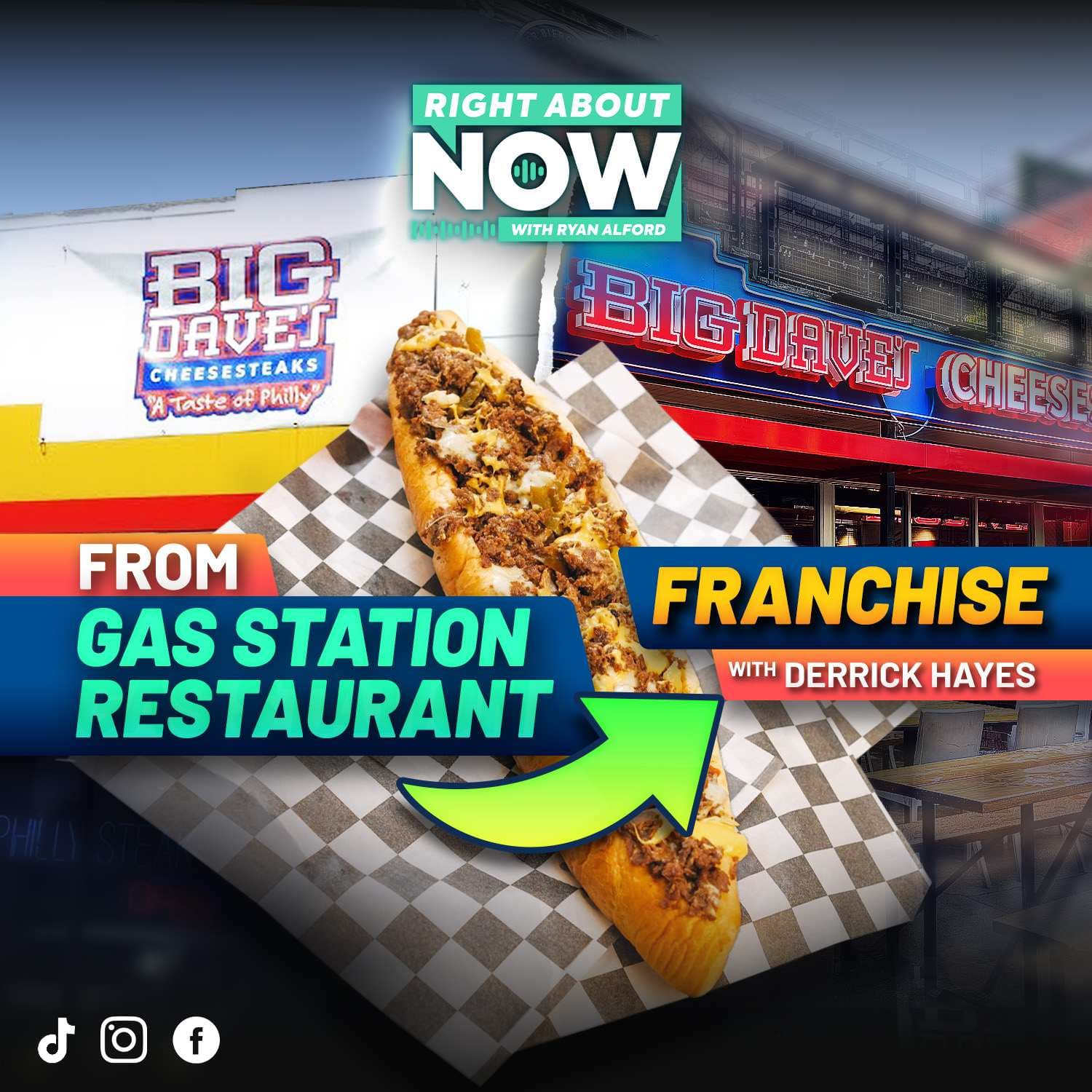
Derrick Hayes: Big Dave's Cheesesteaks Franchise Story

Inside the Rental Car Business with George Madden
Build the Business First, Then the Personal Brand

Mark J. Kohler on How the Rich Use Tax Strategy
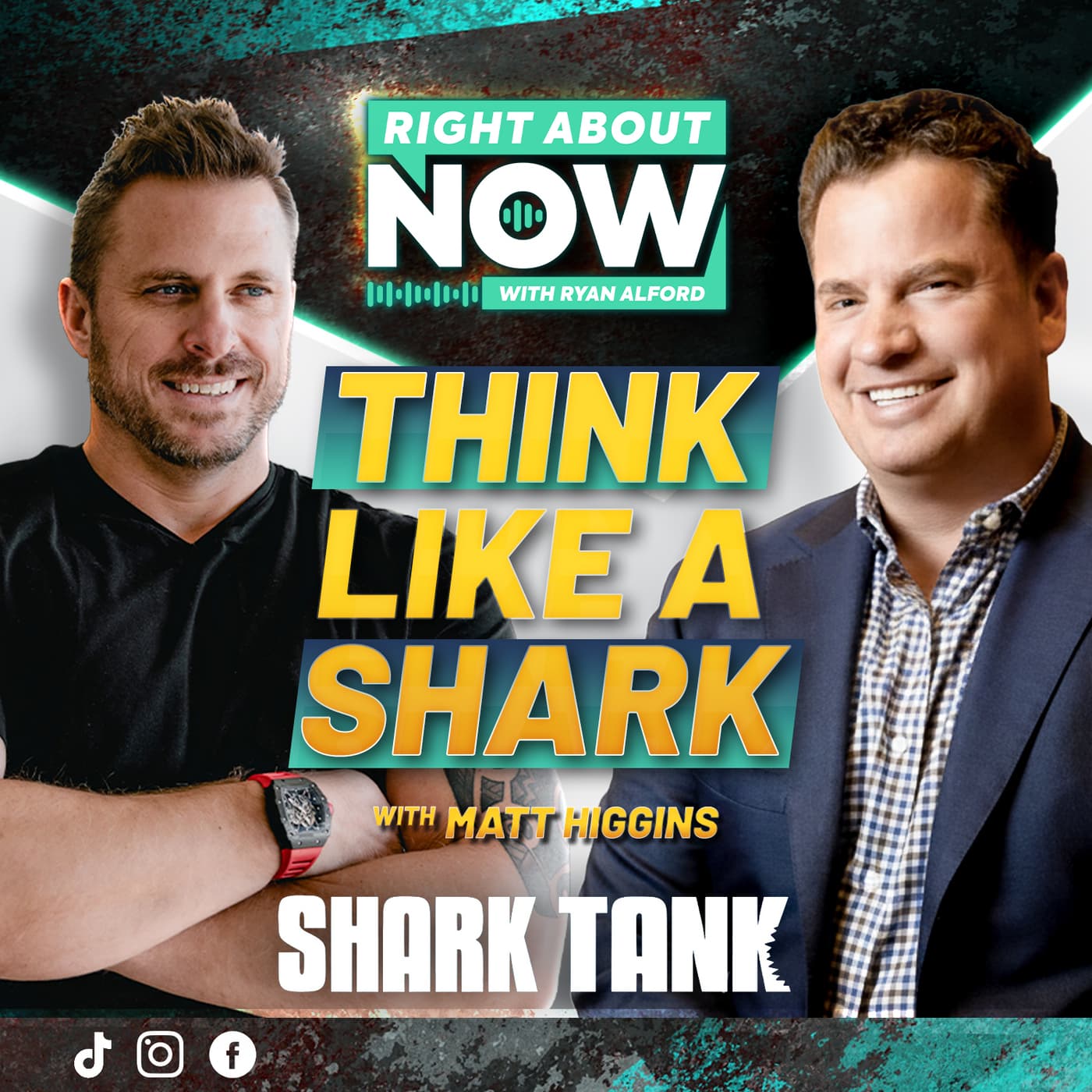
Matt Higgins: Why a Plan B Kills Your Plan A
- From Oil Deals to Entrepreneurship: Brad Blazar’s Masterclass on Funding & Business Growth · Dec 12, 2025
- Podcasting’s Next Era: Chat Shows, Video Expansion & The New Advertising Landscape | Jeff Umbro · Dec 9, 2025
- Sawyer Hemsley - Cookie Crumbl: Organic Micro Influencing Using Instagram and TikTok · Nov 28, 2025
- Charles Nader's Changing the Healthcare System: Doc.com's Mission to Deliver Free Care Worldwide · Nov 25, 2025
- Your New "Artificial Intern": Unlock Your Authentic Genius with AI | Monica Marquez · Oct 21, 2025
- The Future of Fashion Technology: AI, Branding & Live Shopping Trends | Anya Cheng · Oct 14, 2025
- The Rule-Breaking Investor: David Gardner's Best Advice for New Investors and Entrepreneurs · Sep 30, 2025
- Discipline, AI & Business Growth: Lessons from Navin Goyal · Sep 23, 2025
- Earn While You Scroll: Inside Mode Mobile’s Business Model with Dan Novaes · Sep 2, 2025
- Micro Habits, Big Impact on BRAIN.ONE with Thoryn Stephens · Aug 22, 2025
- Fields to Fortune: Moses Heredia’s Rise · Aug 19, 2025
- Business Power Moves: Navigating High-Stakes Entrepreneurship with Amrinder Kamboj · Aug 12, 2025
- BIG BADASSES IN BUSINESS · Aug 8, 2025
- From Reebok to Syntilay: Footwear Innovation with Joe Foster & Ben Weiss · Aug 5, 2025
- Secrets to Influencer Marketing & Brand Engagement · Jul 25, 2025
- B-Sides: Flavor, Sustainability & Profit with Yousuf Ahmed · Jul 15, 2025
- From Finance to Netflix "Million Dollar Secret" with Chris Allen · Jul 8, 2025
- Unlocking Passive Income: Secrets to Real Estate Success with Dani Lynn Robison · Jul 1, 2025
- Creating his own Breaks - The Booming Hobby Series w/ Jason Koonce · Jun 24, 2025
- From Trading Cards to Connections: The Heart of the Industry with Matty Rich · Jun 17, 2025
- The Hobby is Big Business - Introducing Vee Friends w/ Gary Vaynerchuk · Jun 10, 2025
- SHOVELING SH*T: The Entrepreneur's Messy Path to Success with Mike & Kass Lazerow · Jun 3, 2025
- Priceless Advice for Being an Entrepreneur · May 13, 2025
- Destination Citizenship: Navigating Global Mobility and Tax Benefits with Jeremy Savory · Apr 29, 2025
- Lean & Green: How LiveGood is Disrupting Supplements w/ Ben Glinsky · Apr 15, 2025
- Pivoting in Business: How to Thrive Amidst Challenges Like a Pro with Bedros Keuilian · Apr 1, 2025
- Formulating Success: The Sweet Journey of NoBaked Cookie Dough w/ Co-Founder Jimmy Feeman · Mar 11, 2025
- Empowering Independent Voters: The Keys to Ending Political Polarization with Lura Forcum · Feb 4, 2025
- Small Business Tax Tips To grow & Keep Wealth in 2025 with Mark J. Kohler · Jan 21, 2025
- Burn The Boats - Greatness Has No Plan B With Matt Higgins · Dec 17, 2024
- Complying To Change With Anik Singal · Oct 29, 2024
- Big Brass Balls and a Bag of Cash with Brad Blazar · Oct 15, 2024
- Death & Taxes: Maximize your Business’ Money with Ryan Moriarty · Oct 1, 2024
- Take it to the Next Level! How to become a successful entrepreneur in 2025 · Sep 10, 2024
- Scaling Secrets: Transforming Your Business with Automation and Effective Systems · Sep 3, 2024
- The Greatest Leadership Lessons from the CEO Whisperer · Aug 27, 2024
- From Automation to Empowerment: The Role of AI in Modern Coaching · Aug 13, 2024
- Ditch The Banks: How To Buy Real estate Without Traditional Financing with Chris Prefontaine · Aug 6, 2024
- What A Rush! From Stock Options Trader to Healthy Food Bowl Pioneer | Andrew Pudalov · Jul 9, 2024
- Highlights & Insights - The Best from Guests on Right About Now First Half of 2024 · Jul 5, 2024
- Undoing Urgency and Appreciating the Journey with CEO and Author Matt Reynolds · Jul 2, 2024
- The Secrets Behind Making Millions with Jamil Damji · Jun 11, 2024
- Players Win Games Coaches Win Players with Coach Bill Courtney · May 28, 2024
- How To Be Unstoppable with Self Made CEO Rick Jordan · May 21, 2024
- Shaking Up Hollywood's Approach to Human Rights | Paul Hutchinson · May 7, 2024
- Behind The Name With Co-Founder of College Hunks Hauling Junk | Nick Friedman · Apr 2, 2024
- "Filling The Gap" with Only Fans Management | Michael Noicos · Mar 12, 2024
- How To Start Small To Go Big With Pat Flynn · Mar 5, 2024
- Fast Success From Fasting with The Panda Man · Feb 27, 2024
- From Donuts to Dollars: Exploring the Franchise Kingdom with Lance Graulich · Feb 20, 2024
- Leverage & Legacy: Derik Fay’s Winning Formula · Feb 6, 2024
- Bulletproof: The Father of Biohacking - Dave Asprey · Jan 2, 2024
- The Week of December 22, 2023 Marketing and Business News: Recreate Taylor Swift’s Time Cover with Your Dog to Win Doggie Day Care · Dec 22, 2023
- OG YouTube Influencer Dre Baldwin Dishes Assists on Mindset & Business Success · Dec 12, 2023
- Kaylor Betts: Allergic to Mediocrity - Unlock the Mindset of a Winner · Dec 5, 2023
- Dr. Alex Planes’ Honest Opinion on Scaling Your Business · Oct 24, 2023
- Sipping Wisdom With Kyle Cooke: Balancing Stardom and Start-Ups · Oct 3, 2023
- Exit Without Exiting with The Real Jason Duncan · Sep 12, 2023
- Devan Kline - Founder of Burn Boot Camp · Aug 15, 2023
- The E-commerce Success Blueprint with Alex Urban · Aug 8, 2023
- Success Favors the Brave with Sean Whalen · Aug 4, 2023
- Hard Work Works with Artist and World Series Champion Matt Szczur · Aug 1, 2023
- Undercover Boss and Franchising Maven with Jeff Dudan · Jul 25, 2023
- Digital Platforms Shaping the Future of Business with Aruna Ravichandran, Allison Ferenci, and Arjun Rai · Jul 11, 2023
- Harder Than Life with Kelly Siegel · Jun 27, 2023
- The Power of Great Storytelling in Social Media and Branding with Sun Yi · May 30, 2023
- Trusting Your Gut | Building the Good Ranchers Brand with CEO Ben Spell · May 23, 2023
- Microdosing Goes Mainstream with Cesar Marin · May 2, 2023
- The Week of April 28, 2023 Marketing and Business News: Apple is Developing an AI-Powered Health Coaching Service · Apr 28, 2023
- Catching Fire with Smoke with Michael Hobby · Apr 11, 2023
- The Radcast vs Food: A Recipe for Success with the Best of Our Favorite Culinary Legends · Mar 28, 2023
- American Values Guide Business Dominance with Bedros Keuilian · Mar 21, 2023
- First Class Women in Business · Feb 14, 2023
- Big Badasses in Business · Jan 31, 2023
- Best Business Advice on the Planet with Guests Marc Randolph, Alex Morton, Richard “RB” Botto, Will Ahmed, and Brad Lea · Jan 17, 2023
- Bring Out the Beast in Your Business with Mike “C-Roc” Ciorrocco - The #1 Rising Influencer in the Business World · Dec 27, 2022
- Empowerment for Proper Nutrition with Brooke Andler-Womack - a Think Billions Experience Guest · Dec 20, 2022
- Strategic Resilience Leads to Growth with John Durante - a Think Billions Experience Guest · Dec 13, 2022
- Platform for Higher Understanding with David Caldwell - a Think Billions Experience Guest · Dec 6, 2022
- Infinite Possibilities for Innovation with Maurice Hamilton - a Think Billions Experience Guest · Nov 29, 2022
- Creative Design for Innovation - a Think Billions Experience Guest · Nov 22, 2022
- Diversify to Maximize Opportunities with Chris Hansen - a Think Billions Experience Guest · Nov 15, 2022
- The HUGE Real Estate Investment Opportunity No One is Talking About with Michael Newell · Nov 8, 2022
- Marian Esanu: Personal Branding Ninja · Oct 18, 2022
- Marc Randolph - Netflix Co-Founder · Oct 4, 2022
- Shawne Merriman - Former All-Pro NFL Linebacker and Co-Founder of Lights Out Xtreme Fighting · Sep 27, 2022
- Billion Dollar Marketing Advice with Christopher Lochhead · Sep 20, 2022
- Will Ahmed - Creator of Fitness Wearable Whoop · Sep 6, 2022
- Howard Panes - Billion Dollar Brand Builder · Aug 30, 2022
- Ashley Parker Angel and Bobby Klebanoff - Founders of High Level · Aug 9, 2022
- SPECIAL EPISODE RERELEASE: Bruce Buffer - International Sports and Entertainment Host, UFC Octagon Announcer · Jul 26, 2022
- Sawyer Hemsley - COO of Crumbl Cookie · Jul 19, 2022
- Darren Prince - Author of Aiming High · Jul 12, 2022
- Rob Luna - Business and Wealth Strategist · Jun 14, 2022
- Tracy Duhs - Modern Wellness Advocate, Hydration Expert, Experience Maker & Community Builder · May 31, 2022
- Kosta Hantzis & Lisa Loveland - Founders of Lynx Club NFT and hosts of Becoming Podcast · May 24, 2022
- Alvin Johnson - TedX Speaker and President at Hope Housing Foundation and Multifamily Monopoly · May 17, 2022
- Tarek El Moussa - Real Estate Investor and Television Personality · May 3, 2022
- Nate Kennedy - CEO, Builder of Funnels, Master of Ads, King of Conversions and Doctor of Marketing · Apr 26, 2022
- Allison Ferenci - CEO and Co-Founder of Camera IQ · Apr 12, 2022
- Heidi Cortez - American Entrepreneur, Best Selling Author, Coach, and Branding Expert · Mar 29, 2022
- William Branum - Founder and CEO of Naked Warrior Recovery · Feb 22, 2022
- Heidi Montag - Singer, Reality TV Personality, Podcast Host, and Entrepreneur · Jan 18, 2022
- Spike Mendelsohn - Top Chef Alum, Author, Restaurateur, and Entrepreneur · Dec 28, 2021
- Cristina Ferrare - Former Fashion Model, NY Times Bestselling Author, TV Host & Entrepreneur · Dec 21, 2021
- Bruce Buffer - International Sports/Entertainment Host, UFC Octagon Announcer, Motivational Speaker · Dec 7, 2021
- Chef Jonathan Scinto - Content Creator, Host, Food Artist, Branding Expert, and Entrepreneur · Nov 30, 2021
- Marc Randolph - Netflix Co-Founder, Entrepreneur, Mentor & Investor · Oct 26, 2021
- Richard ‘RB’ Botto, Actor - Producer, Speaker, Author, and Founder & CEO of Stage 32. · Oct 19, 2021
- Mike Bayer - Transformational Life Coach, New York Times Best-Selling Author, Founder-CEO at CAST Centers and Podcast Host · Oct 12, 2021
- James Merrill - Founder and Chief Executive Officer at Opolis Optics · Sep 21, 2021
- Andrew Murphy - Forbes Mental Performance Expert, Trainer, Speaker, CEO and Podcast Host · Sep 14, 2021
- Tyler Webb - Chief Revenue Officer and Co-Founder of Cinebody · Aug 10, 2021
- 'Best of' The Radcast for first half of 2021 · Aug 3, 2021
- Ben Higgins - 'The Bachelor' Alum, Author, Entrepreneur and Podcast Host · Jul 27, 2021
- Austin Evans - Lessons in Entrepreneurship and The Power of Meal Prep · Jun 22, 2021
- OmniChat - unlocking the incredible power of social media messaging automation with Larry Kim · Jun 1, 2021
- Dominate Your Category: Category Creation with Ryan Alford and Guest Christopher Lochhead · May 25, 2021
- Mini-MasterClass with Gloria Chou: How to Hack Your PR! · May 18, 2021
- Ball Hammocks and Bold Branding with Jens Nicolaysen CMO of Shinesty · May 4, 2021
- Fame Engineering and Brand Positioning with Valor Media · Apr 27, 2021
- Optimize Your Ecommerce Strategy: Branding, Neurology, and Marketing · Apr 22, 2021
- Explosive E-Commerce and Technology-Driven Fulfillment: B2B Brilliance from CEO and Founder of ShipMonk, Jan Bednar · Mar 23, 2021
- HopinTech: Creating Sustainable Solutions to Real Commuting Problems · Mar 16, 2021
- Eucalyptus is the Sheet! Meet Colin McIntosh CEO and Founder of Sheets & Giggles · Mar 2, 2021
- Arjun Rai, The CEO and Founder of HelloWoofy.com, Talks about the Latest Developments in Digital Marketing and Media with Ryan · Feb 23, 2021
- Serial Entrepreneur Michael Loeb: E-commerce, Sales, Marketing, B2B, and More · Feb 16, 2021
- Whoop is the world’s most advanced fitness wearable and may save your life · Jan 26, 2021
- Purpose-driven Marketing with Jann Parish, CMO and President of Girls Like You · Dec 22, 2020
- Mind Pump Media: Pivot your Business to Digital · Dec 15, 2020
- Finally an automated CRM that just works. Meet Salesflare and their CEO. · Nov 24, 2020
- Giving a Voice to the Voiceless: How Kalilah Wright, CEO and Founder of Mess in a Bottle, has revolutionized the apparel industry · Oct 6, 2020
- A Story of Growth: How Buff City Soap is leveraging Shopify and it's people to take a giant leap foward · Sep 29, 2020
- Ecommerce Series: How Nufabrx built an 8-figure Shopify plus store with revolutionary products and an authentic brand · Sep 22, 2020
- Ecommerce ft. Sean Whalen · Sep 15, 2020
- eSports Series ft. Itamar Benedy · Aug 11, 2020
- eSports Series ft Shaon Berry · Aug 4, 2020
- eSports Series ft. Tyler Endres · Jul 28, 2020
- Esports Series ft. Charles Conroy · Jul 21, 2020
- Double Down on your Strengths - Ryan talks with Adam Posner about time working with Gary V and building a new company · May 4, 2020
- Pivoting a Brand During the COVID-19 Pandemic w/ CEO Brenda Mierzejewski of Mizzi Cosmetics · Apr 14, 2020
- The Mayor of Craft Beer, Nate Tomforde and Ryan Talk Beer Business · Mar 17, 2020
- Radical Podcast - Ryan sits down with Logan Brown From GVL TODAY ( 6 AM CITY ) · Oct 8, 2019
- RADICAL COMPANY PODCAST - EP 36 - " Passion, Drive & The in between " with Ben Harris founder and host of GOALINK · Sep 18, 2019
- Brenda Luginbill: Wellness, Fitness, Wholeness, & Goodness · Aug 15, 2019
- George Hincapie: Beyond the Bike · Jul 2, 2019
- Radical Podcast - Ryan sits down with Kory Keefer · Jan 15, 2019
- Radical Podcast - EP 11 - Marketing at the speed of now, Dr. Rich Constantine, and growing Radical · Nov 13, 2018