

What’s up, everyone!
I had one of those moments this week where somebody points out something that should have been obvious, and you immediately start thinking about all the times you’ve gotten it wrong.
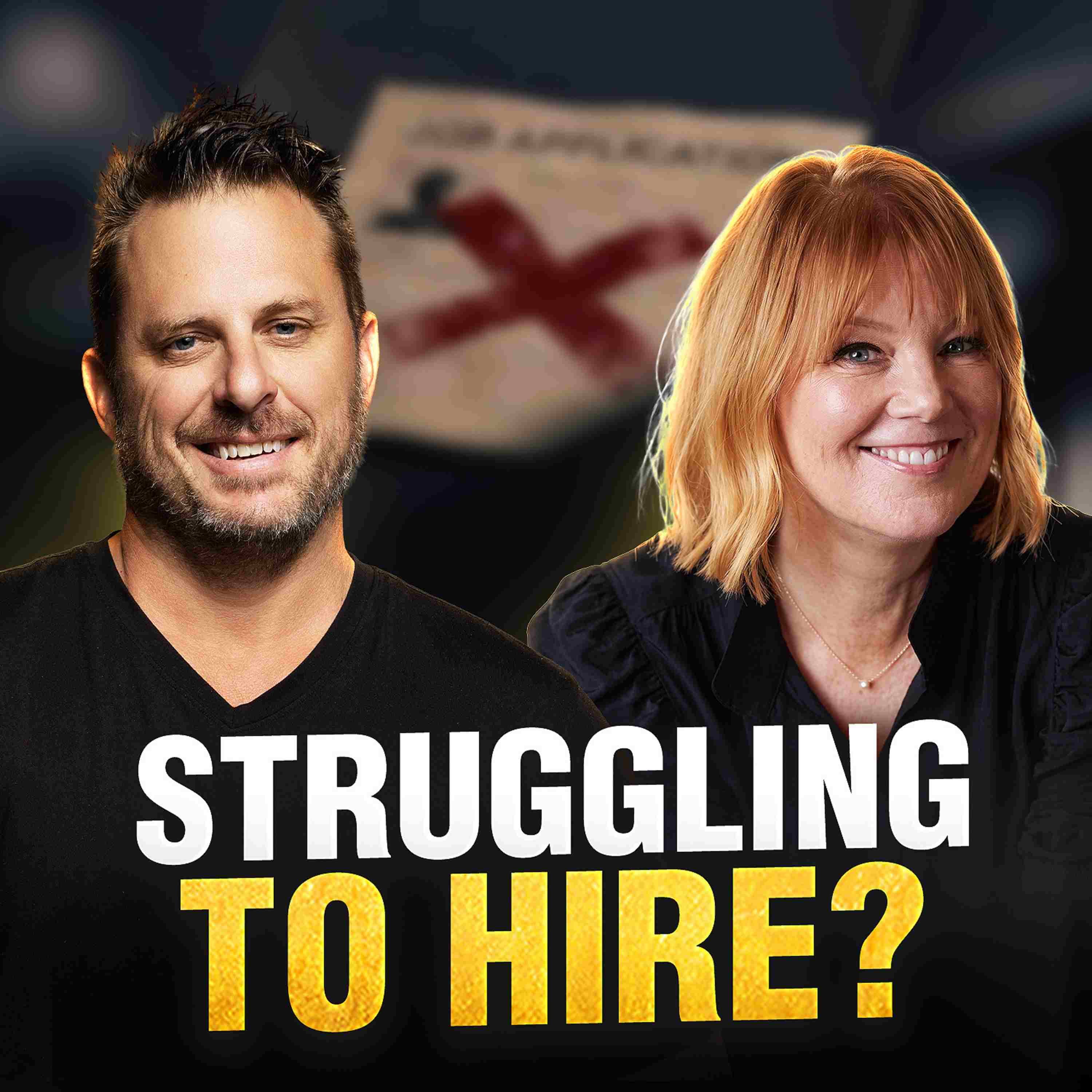
I’ve spent most of my career in marketing. I know how much positioning, storytelling, friction, and customer experience matter when you’re trying to sell something. Then Nicole Feenstra, founder and CEO of The DNA Agency, got me thinking about how most of us completely abandon those principles when we try to hire someone.
We write a painfully boring job description, throw it online, list 15 responsibilities and wonder why the people we actually want aren’t lining up to apply.
And I realized: I’ve done it too.
Nicole’s point was simple. If you wouldn’t market your product this way, why are you marketing one of the most important opportunities inside your company this way?
Your next great employee may already be out there. The question is whether you’re giving them a reason to choose you.
Here’s What We Hit
01Stop Advertising a Job. Start Selling the Opportunity.
What it means: Most job descriptions focus almost entirely on what the company wants: responsibilities, requirements, experience, and tasks. Nicole challenged me to flip that around. What does the person get to build, learn, influence, or become by taking this job?
Your Move: Pull up one of your current job postings and read it like a candidate. Within 10 seconds, can you tell why a talented person would actually want this opportunity? If not, rewrite the opening.
02Your Hiring Funnel Is Still a Sales Funnel
What it means: Nicole sees a major disconnect between companies saying they can’t find workers and people saying they can’t find good jobs. Her argument is that the story and journey between those two groups is often broken. Finding candidates, getting their attention, communicating value, and making it easy to take the next step isn’t that different from acquiring a customer.
Your Move: Apply for a job at your own company. Count the clicks, unnecessary steps, generic emails, waiting periods, and places you would personally lose interest. Then start removing friction.
03Retention Starts Before Someone Accepts the Job
What it means: Acquisition and retention are two different problems. You can bring people in the front door all day, but if they don’t see growth, mentorship, training, more earning potential, or a way to contribute to something meaningful, they’ll eventually walk out the back.
Your Move: Ask three employees a simple question this week: “Can you clearly see what your next step here looks like?” Pay attention to how quickly they can answer.
04AI Makes Human Skills More Valuable, Not Less
What it means: Nicole believes AI will continue taking over repetitive work, but creativity, perspective, storytelling, judgment, and real human experience become more important as that happens. She also sees enormous opportunity in skilled trades and other physical jobs that AI cannot simply automate away.
Your Move: Instead of only asking which jobs AI can eliminate, identify the people on your team whose judgment, creativity, relationships, or specialized expertise become more valuable as AI handles repetitive work.
05Perfect Is Usually Slower Than Learning
What it means: Nicole’s approach is to get something good into the market quickly, measure what happens, and iterate. Ryan and Nicole agreed that companies can spend so long perfecting an idea internally that they could have already tested three versions and learned from actual people.
Your Move: Find one project your team is still “perfecting.” Decide what the smallest credible version looks like, put it in front of real people, and use their response to determine version two.
Connect with Nicole Feenstra
Nicole Feenstra is the founder and CEO of The DNA Agency, where she works with companies, industries, and organizations to simplify complicated problems through storytelling, strategy, and measurable customer journeys. A major focus of her work today is workforce development and helping organizations rethink how they attract people to careers and opportunities.
🌐 The DNA Agency:
https://thednagency.com
💼 LinkedIn:
Search Nicole Feenstra and The DNA Agency for more of her writing and insights on storytelling, workforce development, and marketing.
So, What’s Next?
The biggest thing I took from Nicole wasn’t another hiring tactic.
It was realizing how strange it is that companies will spend enormous amounts of time figuring out how to sell a $100 product, then put almost no marketing thought into attracting the people who will help build the next $10 million of the company.
Your people are part of the product.
So go look at your careers page. Read your job descriptions. Try your own application process.
And ask yourself:
If I were really talented and had options, would any of this make me want to work here?
The answer might tell you more about your “talent shortage” than another stack of résumés ever will.
See you next week.
Cheers,
Ryan Alford
Host | Right About Now
CEO | Rad Collective